Adaptive Loyalty Programs in Mobile Gaming and Betting: Enforcing Spending Limits Through Tiered Rewards
Ulrich Günther · May 22, 2026
Adaptive Loyalty Programs in Mobile Gaming and Betting: Enforcing Spending Limits Through Tiered Rewards
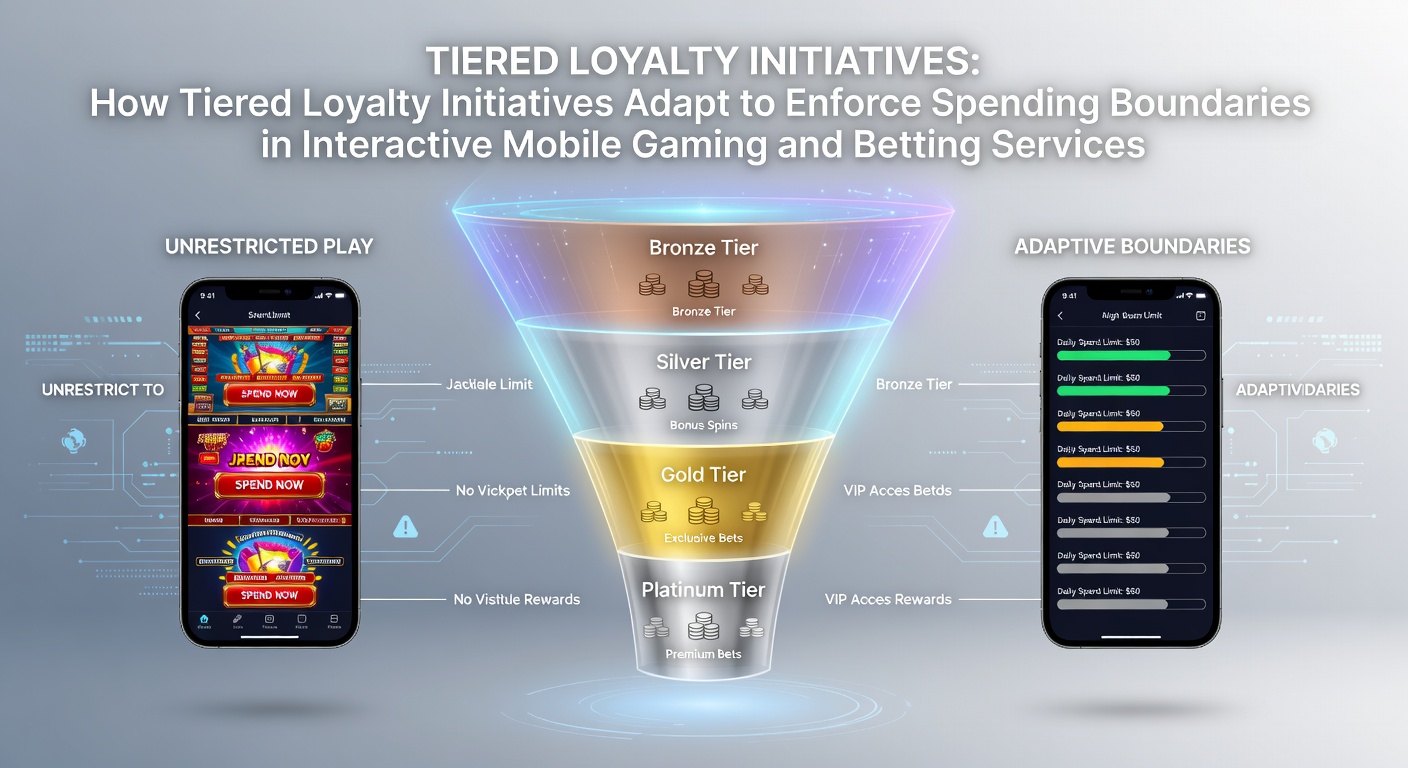
Interactive mobile gaming and betting services have refined tiered loyalty initiatives over recent years to incorporate built-in mechanisms that help manage player spending, and these adaptations draw from regulatory pressures alongside technological advancements that became prominent by May 2026. Platforms structure rewards around progressive levels such as bronze, silver, gold, and platinum where each tier unlocks benefits like bonus credits or faster withdrawals yet simultaneously activates automated checks that cap deposits or prompt session reminders once thresholds are reached. Data from industry reports indicate that these systems integrate real-time tracking algorithms which monitor cumulative wagers and adjust reward eligibility accordingly to prevent unchecked escalation.
Structural Elements of Tiered Systems
Developers design loyalty frameworks so lower tiers emphasize entry-level incentives that encourage initial engagement while higher tiers introduce stricter boundary enforcement through features like reduced maximum bet sizes or mandatory cooling-off periods after extended play. Research from the National Council on Problem Gambling shows these adjustments help align commercial objectives with player protection standards across various jurisdictions, and operators in North America have adopted similar models that tie tier progression to verified spending patterns rather than unlimited activity. Users advance through levels based on consistent but monitored participation, which allows platforms to flag anomalies and intervene before patterns exceed set limits.
What's interesting here is how mobile interfaces embed these controls directly into the loyalty dashboard, displaying progress bars alongside spending summaries that update continuously during sessions. Operators achieve this by combining user account data with predictive analytics that forecast potential overages, and such integrations have expanded since early 2025 when several Canadian provincial regulators updated their guidelines on digital gambling tools. The result appears in apps where platinum members receive priority support lines yet must acknowledge spending reports before claiming certain rewards.
Regulatory Influences and Technological Integration
Authorities in regions like Australia and parts of the European Union have influenced these adaptations by requiring loyalty programs to include responsible gambling modules that automatically scale with tier status. According to findings from the Australian Institute of Family Studies, tiered systems now often link higher reward multipliers to verified affordability assessments conducted through third-party verification services, and this approach reduces instances where players chase escalating bonuses without regard for personal budgets. Mobile betting services implement geofencing alongside these tools so that location-based alerts reinforce spending boundaries during travel or peak usage times.
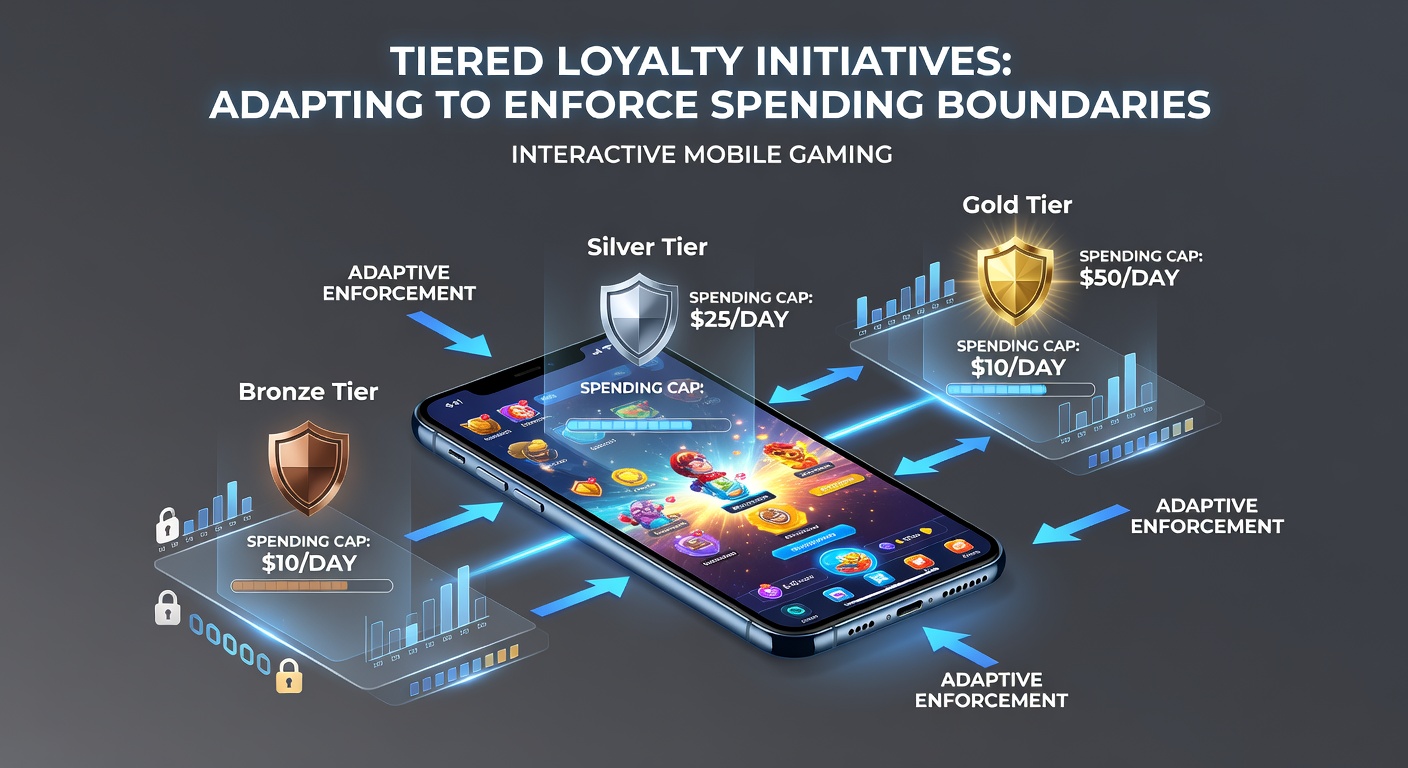
But here's the thing: technology firms supplying the backend software have introduced modular APIs that let operators customize limit triggers without disrupting the overall reward flow, and one case study from a major platform revealed a 15 percent drop in high-volume sessions after rolling out tier-specific deposit caps in late 2025. These updates coincide with broader shifts toward artificial intelligence monitoring that cross-references loyalty activity against historical data to suggest personalized boundaries. Observers note that such measures maintain user retention while satisfying compliance audits that intensified around May 2026.
Player Experience and Boundary Examples
Players encounter these adaptations through seamless notifications that appear when approaching a tier's spending ceiling, and the message often pairs a reward reminder with an option to set voluntary pauses. Take one operator in the United States who adjusted its silver tier rules to include weekly loss limits that unlock additional free spins only after the cap resets, and this structure encourages balanced participation according to internal metrics shared with industry groups. External data from the Responsible Gambling Council in Canada further supports that integrated loyalty boundaries correlate with higher self-reported satisfaction among users who value both incentives and safeguards.
Yet transitions between tiers can reset certain limits automatically, which forces players to reassess their patterns before advancing, and this dynamic prevents perpetual high-stakes engagement without review points. Platforms achieve enforcement through encrypted transaction logs that feed into both loyalty calculations and compliance reports, ensuring transparency for users and regulators alike. What's significant is the way these systems evolve continuously, incorporating feedback loops from aggregated anonymized data to refine thresholds over time.
Conclusion
Tiered loyalty initiatives in interactive mobile gaming and betting continue to adapt by weaving spending boundaries into their core mechanics, and this integration reflects ongoing developments in technology and oversight as of May 2026. Operators rely on layered controls that scale with user status while preserving engagement through measured rewards, and evidence from multiple regions demonstrates measurable impacts on session management. Such approaches provide structured pathways that balance commercial interests with protective features embedded at every level.