Balancing Loyalty Structures and Responsible Play Features in Mobile Betting Platforms
Ines Baumann · Jul 31, 2026
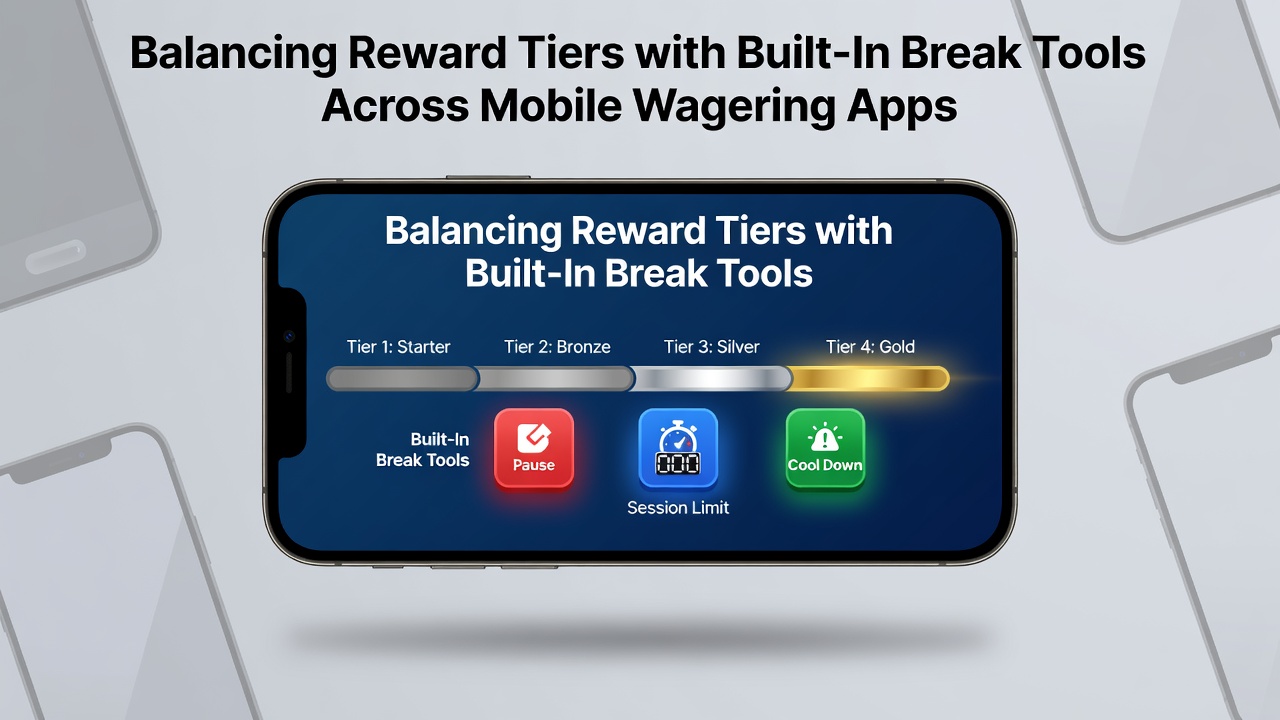
Balancing Loyalty Structures and Responsible Play Features in Mobile Betting Platforms
Operators across mobile wagering apps have developed systems that pair escalating reward tiers with integrated break mechanisms, and data from industry analyses show these combinations aim to sustain engagement while supporting user control. In July 2026 reports highlighted continued growth in such dual-feature designs, particularly as platforms expanded across North America and parts of Europe. Those who track app metrics note reward tiers often include cashback percentages, exclusive game access, and personalized promotions that scale with activity levels, yet the same interfaces now embed pause functions such as session timers, deposit limits, and temporary exclusions.
Structure of Reward Tiers in Current Apps
Reward programs typically progress through multiple levels where users accumulate points from wagers on slots, table games, and sports events, and higher tiers unlock benefits like faster withdrawals plus dedicated support channels. Research from the American Gaming Association indicates that tiered systems correlate with increased retention rates when paired with transparent point calculations and clear progression paths. Developers integrate these ladders into mobile interfaces using progress bars and notification prompts that appear after qualifying bets, and users advance by meeting weekly or monthly thresholds without manual registration steps.
One study released by Canadian gaming researchers found that players who reach mid-tier status often maintain consistent activity for longer periods, while top-tier participants receive invitations to special events and multiplier bonuses. The design keeps rewards visible through dashboard widgets that update in real time, and algorithms adjust offers based on individual patterns to maintain relevance across different user segments.
Built-In Break Tools and Their Implementation
Break tools appear as optional toggles within the same menus that display reward progress, allowing users to set daily time caps, loss thresholds, or full account pauses lasting 24 hours to several months. Figures from Australian regulatory reviews reveal that apps incorporating these features at the account creation stage report higher voluntary usage rates compared with those that hide the options deeper in settings. Developers link the tools directly to reward tracking so that pauses automatically freeze point accumulation and tier advancement during the selected period, preventing unintended escalation.
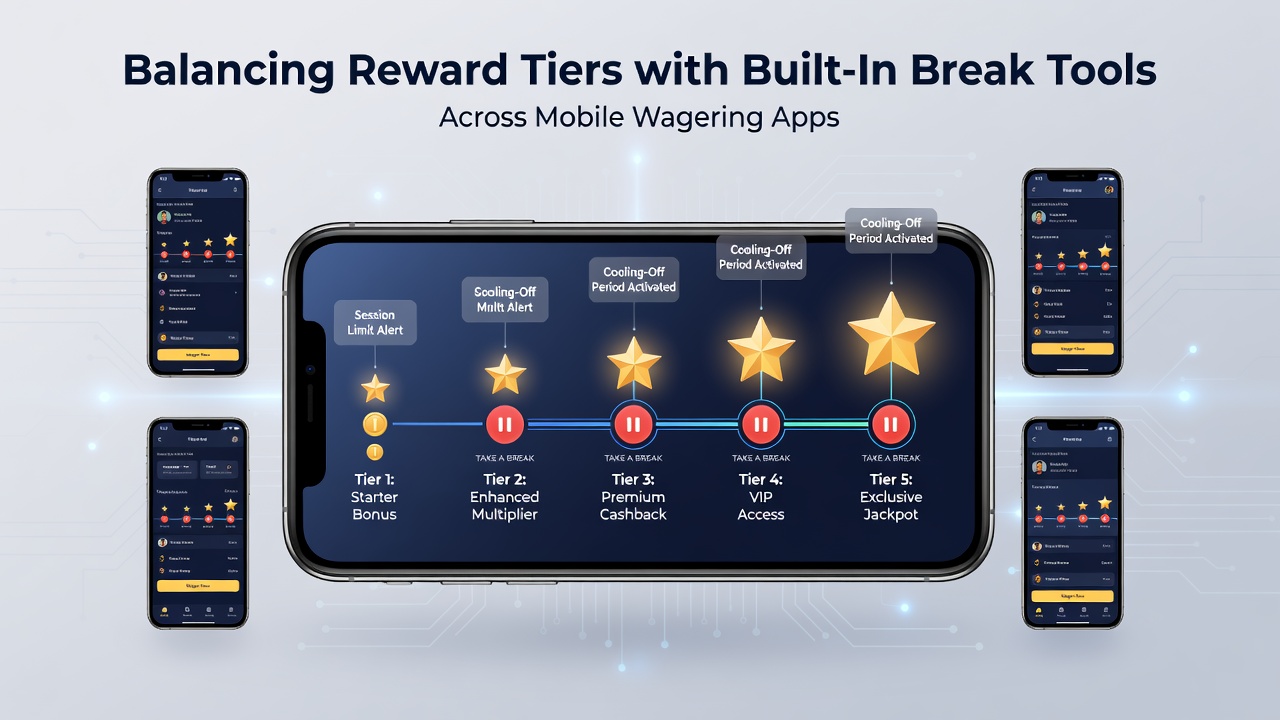
Notifications remind users when limits approach, and some platforms offer quick-access buttons that initiate a cool-down without navigating away from the main betting screen. Observers note that integration reduces friction, because the same authentication process used for reward claims also secures break activations, and data logs show reduced instances of users exceeding self-imposed boundaries when the tools sit alongside loyalty summaries.
Technical Approaches to Combining Both Elements
App architects employ modular code frameworks that separate reward engines from control modules while allowing shared data flows, and this separation lets operators update tier benefits without altering break parameters. According to a 2025 technical paper from a European gaming technology consortium, synchronization occurs through centralized user profiles that store both accumulated points and active limits, ensuring real-time enforcement across devices. Push messages alert users about approaching tier milestones even during active breaks, maintaining visibility without encouraging continued play.
Testing protocols include simulated user journeys where reward progression pauses correctly when break tools activate, and compliance teams review these scenarios against regional standards before app updates roll out. Platforms in multiple jurisdictions now include audit trails that record every interaction with either system, and third-party reviewers access anonymized datasets to verify consistent performance.
Regional Variations in Feature Deployment
North American operators emphasize deposit and wager caps tied to reward tiers, whereas European versions often highlight time-based breaks that align with local consumer protection guidelines. Data shared by the National Council on Problem Gambling shows higher adoption of combined features in states where regulators require explicit display of both reward progress and pause options on the home screen. Australian platforms incorporate geo-specific messaging that references local support resources whenever a break tool activates, and these prompts appear alongside any pending tier benefits to keep information contextual.
Cross-border users sometimes encounter differing default settings based on account registration location, and apps adjust interface language and available break durations accordingly while preserving the same underlying reward calculations. Industry conferences in 2026 featured case examples where unified backend systems handled these regional differences without fragmenting the user experience.
Conclusion
Developers continue refining how reward tiers and break tools interact within mobile wagering apps, and ongoing data collection helps identify configurations that support both engagement and self-regulation. As of July 2026 the trend toward tighter integration persists across major markets, with platforms drawing on user analytics and regulatory input to maintain functional balance. Those monitoring adoption patterns expect further refinements in notification timing and data visualization as more operators standardize these paired features.