Financial Coordination in Blended Gaming Platforms: Transfers, Oversight, and Security Protocols
Casey Wagner · Jun 1, 2026
Financial Coordination in Blended Gaming Platforms: Transfers, Oversight, and Security Protocols
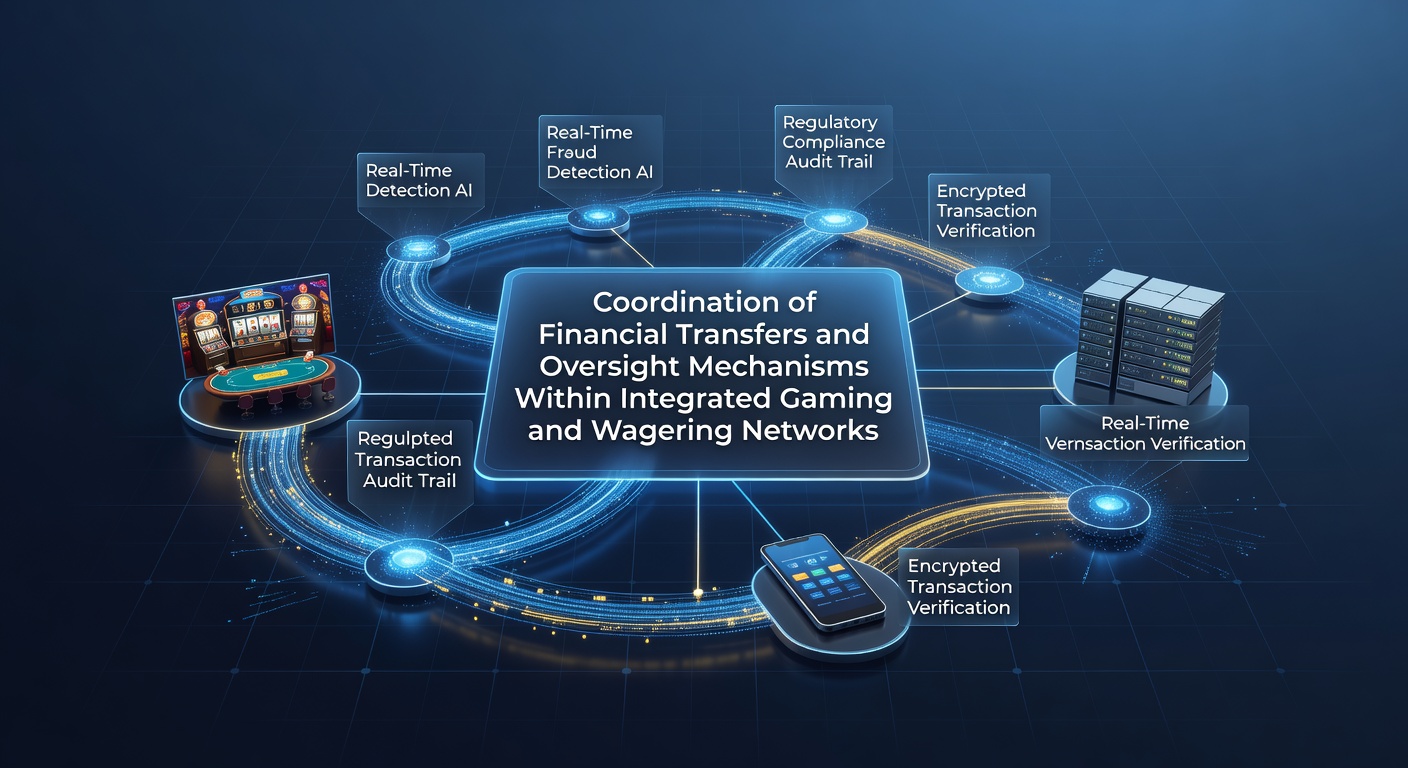
Integrated gaming networks combine slots, live dealer tables, sports betting, and loyalty structures into single platforms where financial transfers move through synchronized channels, and oversight systems track every movement to maintain compliance and security. These setups rely on layered software that processes deposits, distributes bonuses, handles withdrawals, and applies player protections without interruption, while regulatory frameworks from multiple jurisdictions shape how operators coordinate the entire flow.
Core Components of Money Movement in Unified Platforms
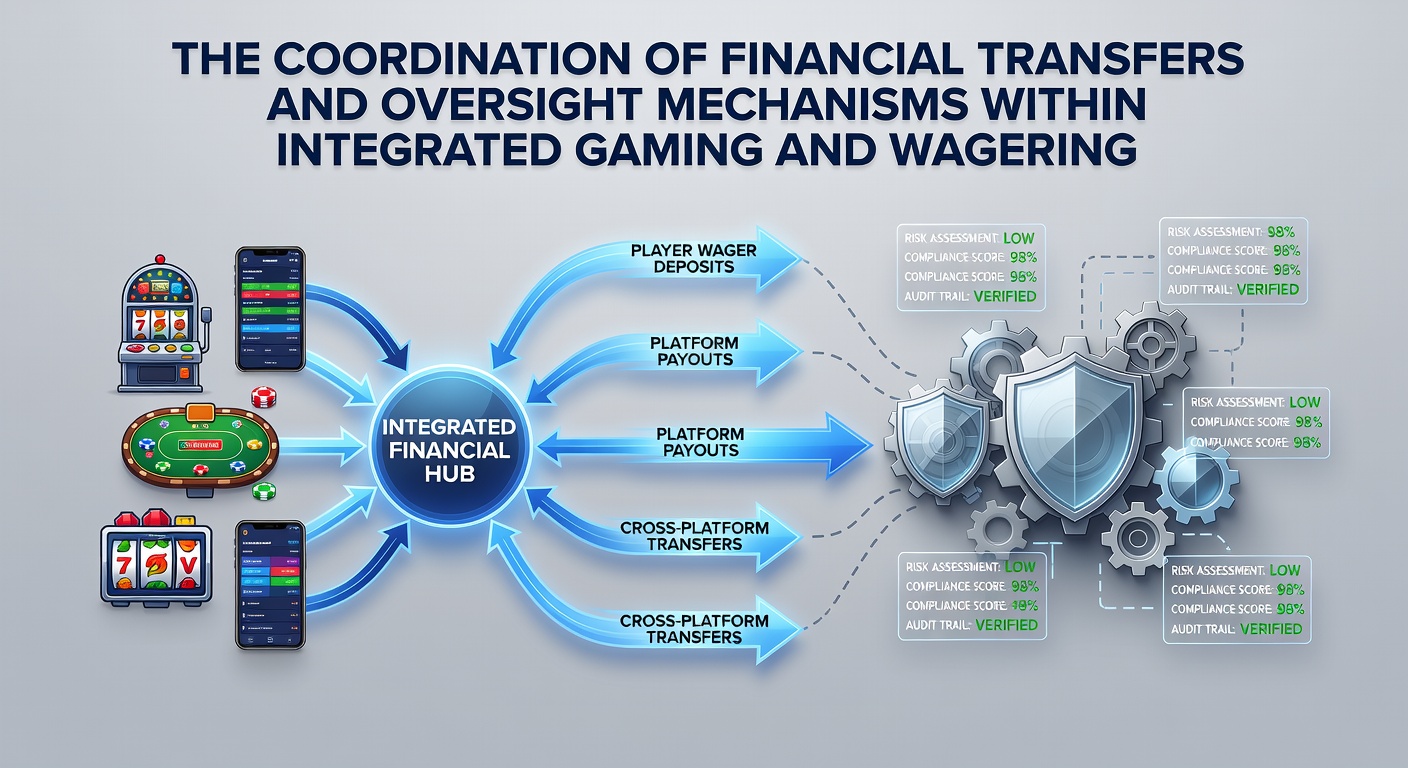
Deposits enter through various methods including cards, e-wallets, and bank transfers, then route instantly to player accounts where they become available for slots, table games, or sports wagers. Bonuses activate automatically upon qualifying deposits or play milestones, and the same backend systems credit VIP rewards or tier advancements without separate manual intervention. Withdrawals trigger verification steps that cross-reference account history, transaction patterns, and any active limits before funds exit the network.
Operators connect these elements through application programming interfaces that link payment processors directly to game servers and compliance databases. Data shows that real-time reconciliation prevents discrepancies, while audit trails record each step for later review. In June 2026, several platforms reported expanded use of automated reconciliation tools that flag unusual patterns within seconds rather than hours.
Oversight Mechanisms and Cross-Platform Monitoring
Supervision occurs through centralized dashboards that aggregate activity from every game type and payment channel. Algorithms monitor for money laundering indicators, excessive play sessions, and self-exclusion compliance, then pause or redirect transactions when thresholds activate. Regulatory bodies in different regions require these systems to operate under strict reporting schedules, and operators must demonstrate consistent functionality during periodic inspections.
One study from the University of Nevada, Las Vegas examined how multi-jurisdictional platforms synchronize oversight across state lines. Researchers discovered that shared data protocols reduce duplicate checks while preserving each region's specific rules. Observers note that this coordination becomes especially relevant when sports betting odds update in real time alongside slot jackpots and live dealer results, all feeding into the same financial ledger.
Examples of Integrated Transaction Handling
Take a player who deposits funds in the morning, plays sports wagers through the afternoon, and receives a VIP cashback credit by evening. The platform's system records the initial deposit, allocates portions to the sports book, applies any promotional boosts, and later processes a withdrawal request once wagering requirements clear. Each action links back to the same account profile, allowing oversight tools to evaluate total exposure rather than isolated game activity.
Another case involves a platform operating in both North American and European markets where currency conversion happens automatically at the point of transfer. According to reports from the Nevada Gaming Control Board, such conversions must occur at documented rates with full traceability, and any delays in settlement trigger additional compliance reviews. Data indicates that seamless handling of these steps improves both operational efficiency and regulatory confidence.
Security Layers and Regulatory Alignment
Encryption protocols protect data during transfers, while multi-factor authentication gates access to higher-value transactions. Oversight mechanisms integrate with these security features so that a flagged account automatically faces stricter verification before further movement occurs. Industry associations such as the European Gaming and Betting Association have documented how standardized security benchmarks help operators meet requirements from multiple authorities without redundant development.
Platforms also maintain separate ledgers for player funds, operational revenue, and promotional credits to ensure clear separation during audits. Research from the Australian Institute of Criminology highlights that this separation reduces risk of commingling and supports faster resolution when disputes arise. In practice, the same automated systems that coordinate transfers also generate the reports needed for regulatory submission, creating a continuous loop between operations and oversight.
Conclusion
Coordination of financial transfers and oversight within integrated gaming networks depends on interconnected software, clear regulatory standards, and continuous monitoring that spans every game type and payment method. As platforms evolve through 2026, the emphasis remains on maintaining accurate records, applying protections uniformly, and aligning with diverse regional requirements through shared technical standards.