Inside the Algorithms: How Mobile Platforms Use Transaction Data to Offer Personalized Limits on Live Games and Wagers
Riley Werner · Jul 29, 2026

Inside the Algorithms: How Mobile Platforms Use Transaction Data to Offer Personalized Limits on Live Games and Wagers
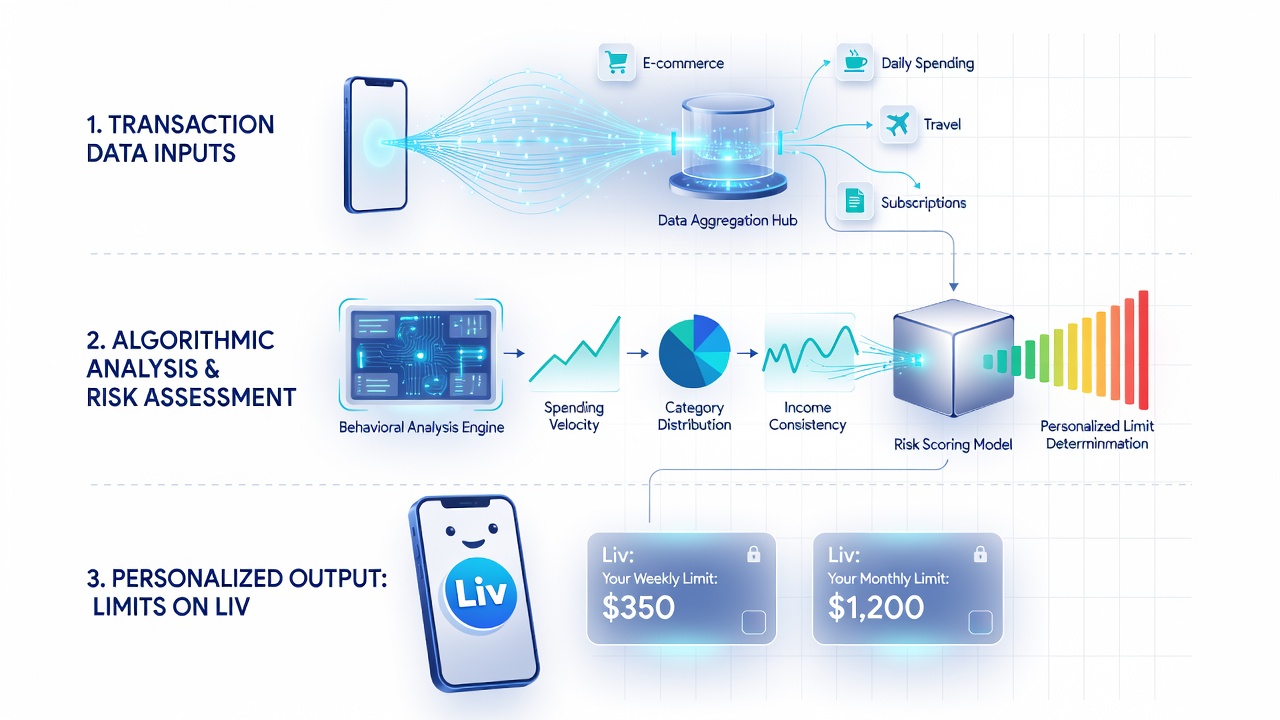
Transaction data flows through mobile gaming platforms in continuous streams that algorithms process to establish individualized boundaries on live dealer sessions and real-time wagers, and these systems draw from deposit patterns, withdrawal histories, session durations, and bet frequency metrics collected across thousands of user interactions each day. Platforms aggregate this information into profiles that update in real time, allowing adjustments that reflect shifts in spending velocity or play intensity while operators maintain compliance with regional requirements.
Data Collection Mechanisms in Mobile Environments
Mobile applications capture every deposit amount, payment method, and timing detail alongside in-game actions such as live table entries or sports wager placements, and these records feed into centralized databases that run machine learning models trained on historical user cohorts. Researchers at institutions including the University of Nevada Reno have documented how sequence modeling identifies clusters of high-frequency activity that precede potential limit adjustments, while timestamps from both successful and declined transactions contribute additional signals that refine risk scoring. Geographic data from device locations further contextualizes patterns, enabling platforms to align limits with local regulatory thresholds without manual intervention.
Algorithmic Processing of User Behavior
Supervised learning classifiers evaluate transaction sequences against predefined benchmarks derived from aggregated industry datasets, and they assign dynamic limit values that scale according to observed stability in deposit intervals or average wager sizes. Reinforcement learning components test incremental changes on simulated user journeys before deployment, which allows platforms to calibrate boundaries that reduce abrupt session terminations while preserving engagement metrics. Observers note that these models incorporate feedback loops where actual user responses to new limits update the training weights within hours, creating iterative refinements that track evolving habits across weeks or months.
Personalized Limit Application to Live Games
Live dealer environments present unique challenges because rounds occur in rapid succession and stakes can escalate quickly, yet algorithms segment these sessions by tracking cumulative exposure within rolling time windows and apply caps that adjust per individual profile. When a user's transaction velocity exceeds modeled thresholds, the system triggers temporary reductions in maximum bet amounts or pauses on certain table types, and notifications appear through the app interface without disrupting ongoing hands. Data from the National Council on Problem Gambling indicates that such interventions correlate with measurable decreases in extended play periods among monitored cohorts in multiple jurisdictions.
Integration with Sports Wagering Features
Sports betting modules receive parallel treatment where algorithms analyze parlay construction, odds selection, and settlement patterns to set personalized stake ceilings that activate during live events, and these ceilings recalculate after each settled wager based on net position changes. Multi-leg bets trigger additional scrutiny because combined liabilities can compound quickly, prompting systems to enforce per-event or per-day aggregates drawn directly from prior transaction records. Platforms operating across US states and Australian markets have reported synchronized updates that reflect both federal and state-level reporting obligations effective into July 2026, when enhanced data portability standards take effect in several regions.
Regulatory and Technical Safeguards
Independent testing laboratories verify that algorithmic outputs remain within parameters established by bodies such as the Nevada Gaming Control Board and the Australian Communications and Media Authority, and audits examine whether limit calculations avoid discriminatory bias across demographic segments. Encryption protocols protect transaction streams during transmission, while anonymized subsets support external research without exposing individual identifiers. European Gaming and Betting Association guidelines further emphasize transparency requirements that compel platforms to disclose the general logic behind automated decisions upon user request.
Conclusion
Transaction-driven personalization continues to evolve as mobile platforms refine their models with fresh datasets and regulatory inputs, and the resulting limit systems balance operational efficiency against player protection mandates across diverse markets. Continued collaboration between technologists, researchers, and oversight entities shapes how these algorithms develop in coming periods.