Loyalty Structures Merge Self-Limitation Features in Mobile Wagering Applications
Casey Wagner · Jun 10, 2026
Loyalty Structures Merge Self-Limitation Features in Mobile Wagering Applications
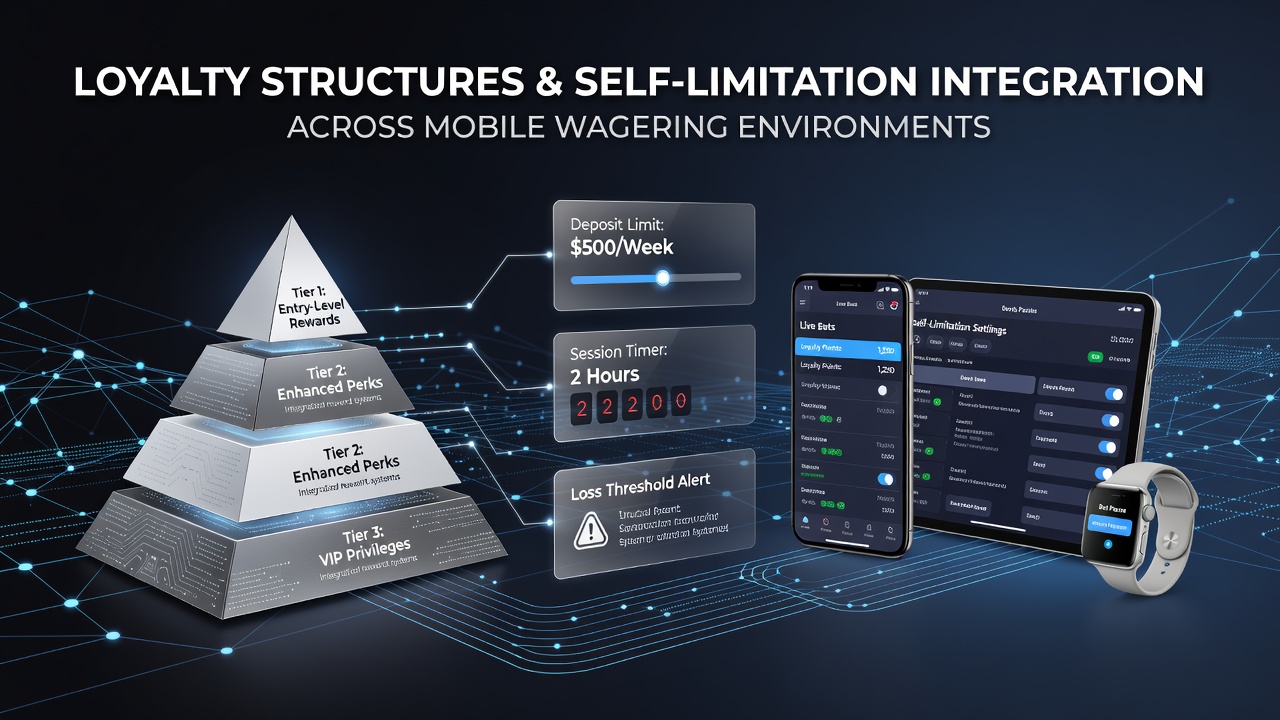
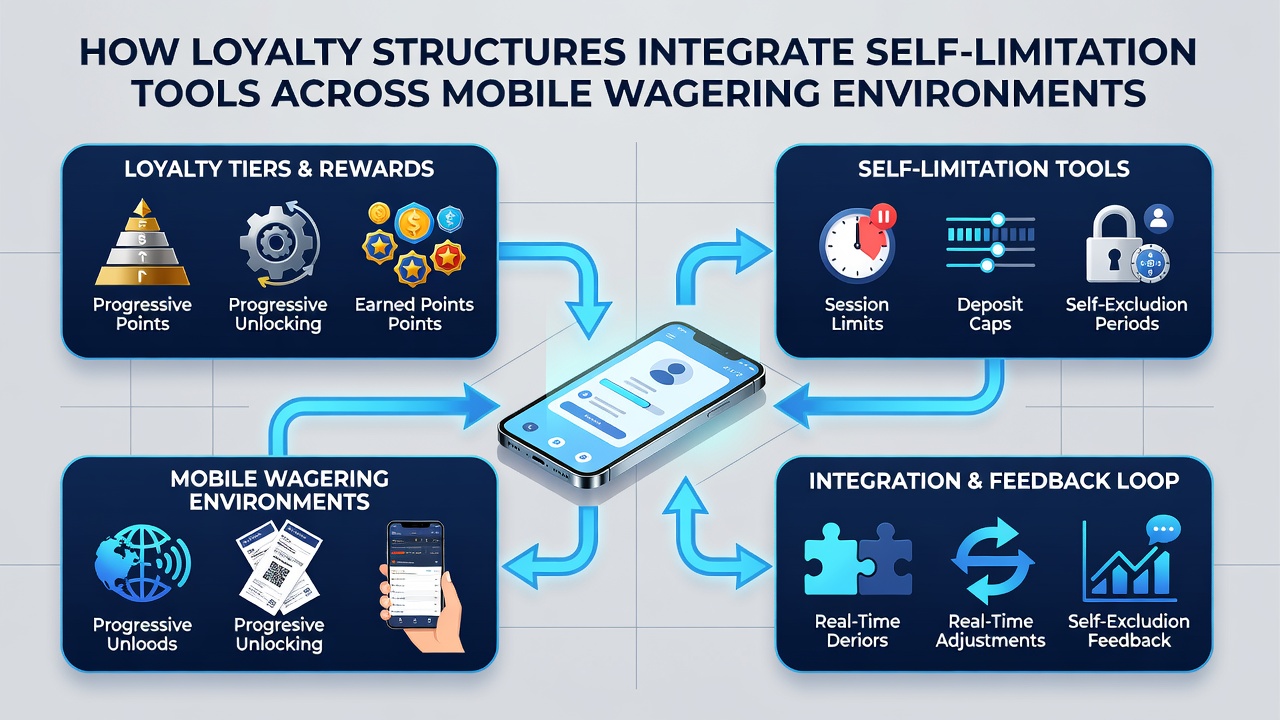
Mobile wagering environments have evolved to connect loyalty programs directly with self-limitation tools, creating systems where player rewards and personal controls operate within the same application frameworks. Operators design these integrations so that users accumulate points or tier status while simultaneously accessing options to set deposit caps, session timers, and spending alerts that sync with reward tracking.
Core Mechanics of Integrated Systems
Developers link loyalty dashboards to responsible gaming modules so that when a player reaches a predefined deposit limit the system pauses bonus accrual until the next period resets. This linkage appears in multiple platforms where tier progression slows automatically once time or money thresholds activate, ensuring reward structures reinforce rather than override user-defined boundaries. Data from industry reports indicates that such synchronization reduces instances of unchecked play by connecting visual progress bars for both loyalty points and remaining limits in a single screen view.
Users often encounter prompts during login that display current loyalty standing alongside remaining daily or weekly caps, allowing adjustments without navigating separate menus. These combined interfaces rely on real-time APIs that pull from the same user profile database, so changes to limits instantly reflect in reward eligibility calculations. Researchers at institutions such as the Australian Institute of Family Studies have documented how these unified displays help maintain consistent player behavior across sessions.
Technical Implementation Across Platforms
Backend architectures employ modular code blocks where loyalty engines and limit managers share common variables for balance, session length, and wager frequency. When a player opts into a VIP level the system copies existing limit parameters into the new tier profile, preventing automatic overrides that could occur during status upgrades. Updates rolled out in June 2026 introduced standardized data fields for these shared parameters, enabling smoother cross-device continuity for users who switch between phones and tablets mid-session.
Notification systems further tie the two functions together by sending alerts that reference both upcoming reward milestones and approaching limit boundaries in the same message. Operators configure these alerts through rule sets that prioritize limit warnings when thresholds near, while still listing loyalty progress as secondary information. Testing conducted by platform providers shows that this ordering increases compliance rates with self-set restrictions without diminishing engagement with reward features.
Regional Variations in Design Approaches
North American operators frequently embed self-limitation toggles inside loyalty apps so that earning casino credits or free spins requires active confirmation of current spending boundaries. European frameworks, by contrast, often present limit tools as default settings during initial loyalty enrollment, with reward multipliers scaling only after users review and accept those controls. These differences reflect varying regulatory expectations yet produce similar technical outcomes where loyalty progression depends on sustained adherence to personal limits.
One documented case involved a major operator adjusting its mobile app in early 2026 to require periodic limit reviews before unlocking higher cashback percentages tied to loyalty tiers. The change aligned reward distribution schedules with limit reset dates, creating natural checkpoints that encourage ongoing evaluation of playing patterns. Observers note that such timing reduces the likelihood of players exceeding intended budgets while still progressing through reward levels.
Player Data and Behavioral Tracking
Analytics engines monitor correlations between loyalty point accumulation and limit-setting frequency, generating aggregate reports that operators use to refine both reward schedules and control interfaces. Studies compiled by groups like the National Council on Problem Gambling reveal that players who engage with combined loyalty and limit features demonstrate more stable session durations over extended periods. These findings emerge from anonymized datasets that track opt-in rates for integrated tools rather than individual outcomes.
Algorithms flag patterns where rapid loyalty advancement coincides with frequent limit adjustments, prompting the system to surface educational content about balanced play without interrupting the reward flow. This approach maintains user momentum while directing attention toward the self-limitation components already present in the loyalty interface. Implementation logs from multiple providers confirm that such nudges occur at low frequency to avoid notification fatigue.
Future Developments and Standardization Efforts
Industry working groups continue to explore unified protocols that would allow loyalty data to travel securely between operators while preserving each user's self-imposed limits across different applications. Proposals under discussion include encrypted tokens that carry limit parameters alongside reward histories, ensuring continuity for players who migrate between platforms. Pilot programs scheduled for later in 2026 aim to test these tokens in controlled environments before wider deployment.
Hardware integrations with mobile operating systems also advance, letting users manage loyalty-linked limits through device-level settings that sync back to wagering apps. These connections leverage existing accessibility frameworks so that limit changes made in one location propagate instantly to all connected loyalty accounts. Developers report that this reduces friction and increases the consistency of self-regulation across daily device usage.
Conclusion
Integration of loyalty structures with self-limitation tools in mobile wagering continues to rely on shared data architectures, synchronized notifications, and region-specific design choices that keep both functions visible within single user journeys. Reports from academic and research bodies document measurable effects on session stability when these elements operate together, while ongoing standardization work points toward greater portability of controls in coming updates. The technical patterns established through 2026 updates provide a foundation for further refinements that maintain reward incentives alongside personal boundaries.