Loyalty Tiers in Mobile Betting Apps Influencing Responsible Wagering Across Sports and Games
Ulrich Günther · Aug 12, 2026
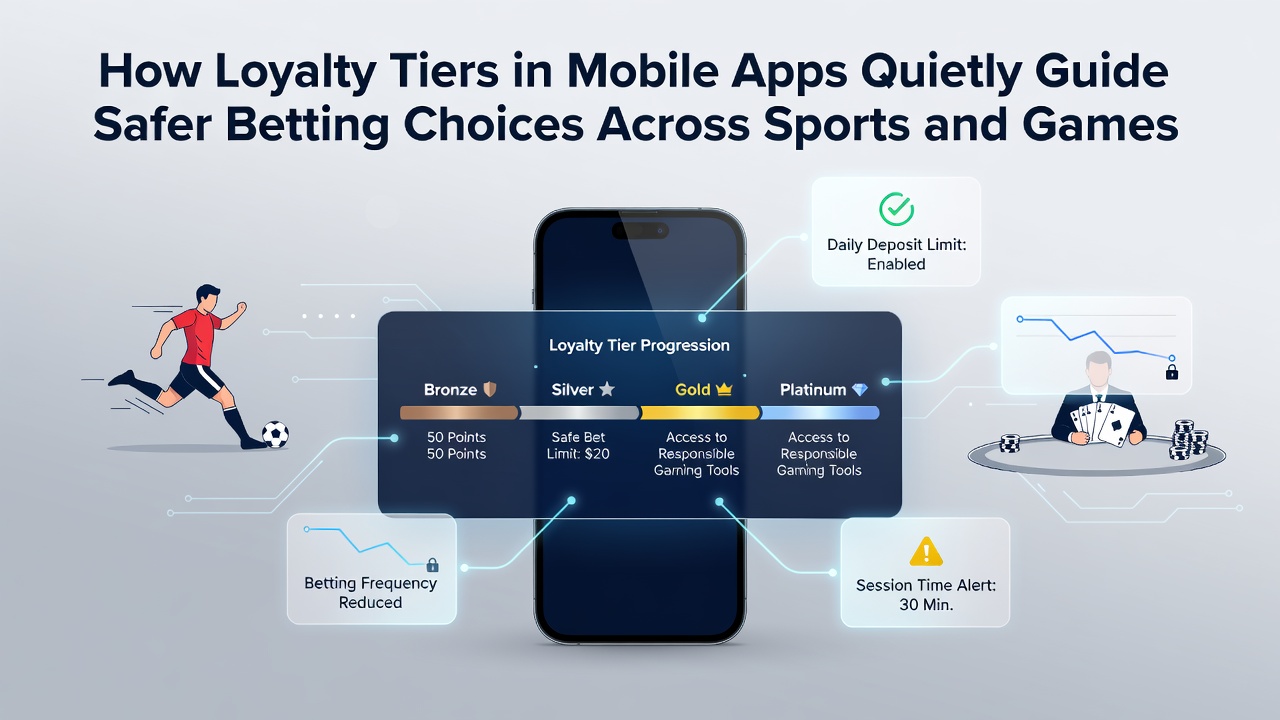
Loyalty Tiers in Mobile Betting Apps Influencing Responsible Wagering Across Sports and Games
Many mobile platforms integrate loyalty structures that reward consistent play while embedding mechanisms to encourage measured participation in sports betting and casino-style games, and these systems often operate through point accumulation tied to session length and deposit patterns rather than pure spend volume. Developers design tier progression to unlock benefits at successive levels, yet the underlying algorithms frequently factor in user-set limits and cool-off periods to advance users without accelerating risk exposure.
Mechanics Behind Tier Advancement and Play Patterns
Users earn points across sports wagers and slot sessions through tracked activity, and reaching bronze, silver, or gold status grants access to personalized odds boosts alongside time-management tools that cap daily engagement. Data from industry reports indicate that platforms incorporating these layered incentives see higher retention rates among participants who activate voluntary spending boundaries early in their tier journey, while progression metrics correlate with lower instances of rapid deposit sequences in multiple jurisdictions.
Observers note that reward structures adjust dynamically; for instance, completing a set number of low-stake bets over several days can elevate status faster than high-volume single sessions, and this approach aligns with guidelines from regulatory bodies in regions outside the UK. Research from the National Council on Problem Gambling highlights how such tiered systems distribute educational prompts at key milestones, nudging users toward balanced habits without interrupting core entertainment flow.
Cross-Regional Data on Engagement and Safeguards
Figures from Canadian gaming authorities reveal that loyalty programs emphasizing responsible metrics rather than raw volume contribute to steadier participation curves, and similar patterns emerge in Australian markets where tier benefits include access to self-assessment modules integrated directly into the app interface. These modules trigger at silver-level thresholds, prompting users to review recent activity logs and adjust parameters before unlocking further perks.
One analysis covering multiple operators found that players advancing through loyalty ladders while utilizing built-in session reminders maintained consistent weekly spend distributions, whereas those bypassing the prompts showed greater variance in activity spikes during peak sports seasons. The reality is that these quiet integrations reduce friction for safer choices by making limit-setting part of the progression path itself.
Integration with Sports and Gaming Formats
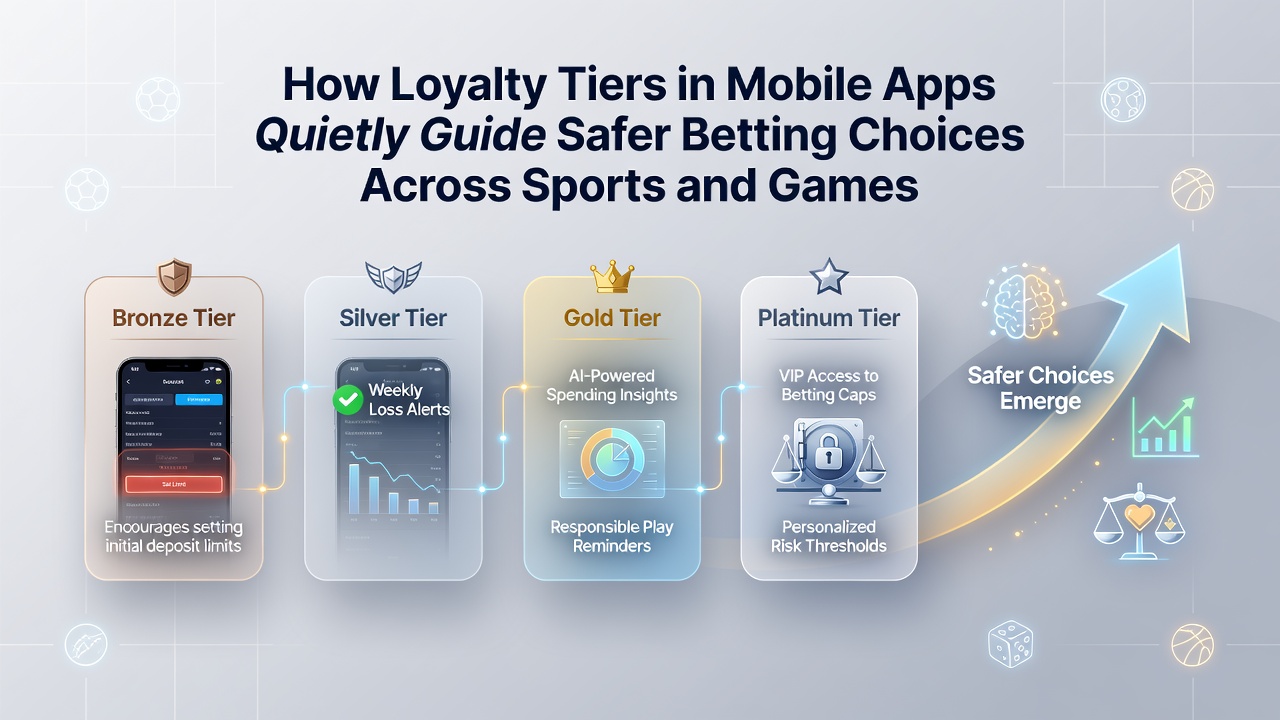
Across football, tennis, and esports markets, loyalty points accrue proportionally to verified bet types, and platforms prioritize live event participation that includes real-time budget alerts once users hit mid-tier status. In game categories such as roulette and blackjack variants, the same frameworks apply through streak bonuses awarded for completing rounds within predefined time windows, which data shows helps distribute play more evenly over extended periods.
What's interesting is how these mechanics scale across device types, and developers in August 2026 continued refining algorithms to factor in cross-game activity, allowing a user active in both sports and table games to progress via combined responsible indicators rather than isolated metrics alone. Industry organizations such as the Responsible Gambling Council have documented these evolutions in technical briefs, noting measurable upticks in users who engage with tier-linked safety features.
Future Adjustments and Platform Adaptations
Operators monitor tier completion rates alongside behavioral indicators, and adjustments often involve recalibrating point values to favor lower-risk wager categories during high-traffic events. This method supports sustained user bases while aligning with broader compliance expectations in multiple international markets.
Conclusion
Loyalty tiers continue to embed safety considerations into everyday mobile betting experiences by linking advancement directly to controlled participation patterns, and ongoing refinements across sports and gaming verticals reflect data-driven responses to user behavior trends. These systems demonstrate how structured rewards can operate alongside protective tools without requiring separate navigation paths for either function.