The Intersection of Incentives and Oversight in Smartphone Gambling Applications
Casey Wagner · Aug 5, 2026
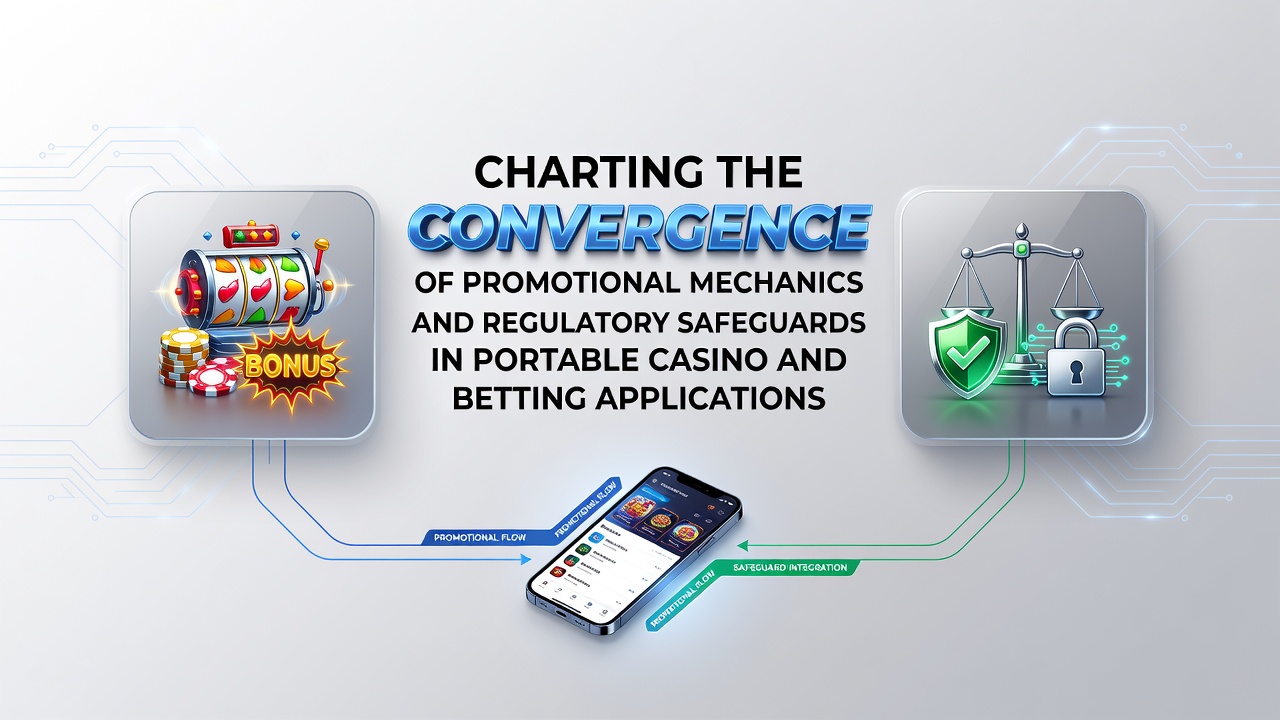
The Intersection of Incentives and Oversight in Smartphone Gambling Applications
Portable casino and betting applications have expanded rapidly since the mid-2010s, bringing together reward systems and compliance features within single platforms, and by August 2026 developers continue to refine how these elements operate together across multiple jurisdictions.
Promotional Structures in Mobile Environments
Operators design bonus mechanics that include welcome packages, deposit matches, free spins, cashback offers and tiered loyalty programs which reward consistent activity through points that unlock higher status levels, yet these same systems now frequently embed mandatory checks such as wagering requirements tied to session timers and spending caps that activate automatically once thresholds are reached.
Research from the Australian Gambling Research Centre indicates that loyalty structures in mobile apps often incorporate dynamic rewards that adjust based on individual play patterns, allowing users to receive personalized incentives while the platform simultaneously monitors for signs of extended sessions and prompts breaks through integrated notification systems.
Regulatory Frameworks Across Regions
Authorities in different markets have introduced rules that require mobile applications to integrate player protection tools directly into promotional flows, and data from the New Jersey Division of Gaming Enforcement shows that licensed operators must provide deposit limits, loss limits and time reminders that function alongside bonus claims without disrupting the user experience.
Canadian provincial regulators, including those overseeing iGaming Ontario, have mandated that reward programs include clear opt-out mechanisms for marketing communications and that VIP progression paths cannot override self-exclusion requests once they are activated in the app.
Integration Points Between Rewards and Protections
Developers achieve convergence by linking bonus eligibility to responsible gaming settings, for example an application might require users to set a deposit limit before unlocking a deposit match offer or it could tie cashback percentages to verified play within predefined boundaries rather than unlimited activity.
One study published by the University of Nevada Reno's International Gaming Institute found that applications which embed reality checks within reward claim sequences achieve higher compliance rates because the safeguards appear as natural extensions of the promotional process rather than separate interruptions.
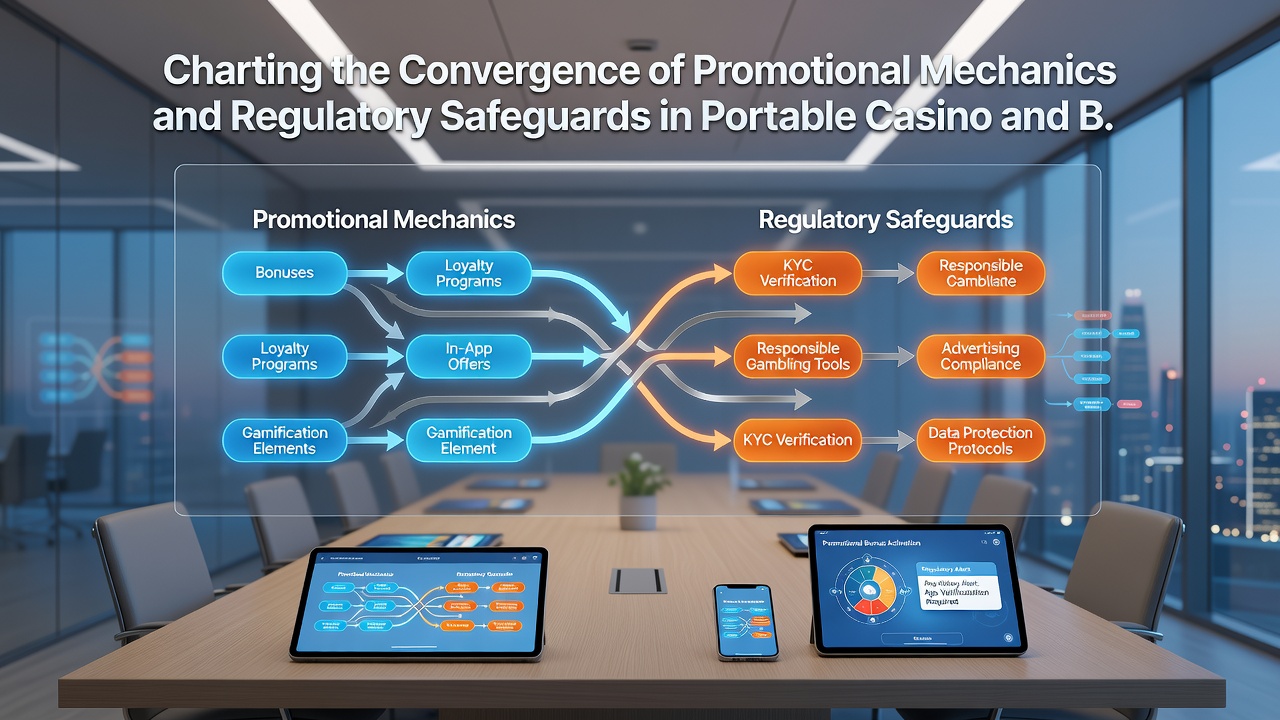
Payment processing features also reflect this merging approach because instant payout options for winnings often appear alongside mandatory cooling-off periods that users must acknowledge before accessing new promotional credits, and industry reports from the American Gaming Association document how these combined flows reduce instances of rapid re-depositing after losses in tested markets.
Technical Implementation and User Data
Backend systems track both promotional engagement and protection metric compliance through unified dashboards that flag accounts showing high bonus redemption alongside elevated risk indicators, allowing operators to adjust offers automatically without manual intervention in most cases.
European regulators outside the United Kingdom have required similar transparency, with Malta's gaming authority specifying that mobile interfaces must display remaining wagering requirements and current protection settings on the same screen where users view available rewards.
By mid-2026 several platforms had begun testing AI-driven personalization that suggests bonus offers only when the algorithm detects the user has remained within self-set limits for a defined period, creating a feedback loop where safe behavior directly influences reward availability.
Conclusion
The ongoing development of mobile casino and betting applications demonstrates a clear pattern where promotional mechanics and regulatory safeguards share the same technical architecture, and figures from multiple oversight bodies confirm that this integration continues to evolve through updated licensing conditions and platform updates that treat both elements as interdependent components of the user experience.