Tiered Loyalty Structures and Built-in Protections Shape Mobile Gaming Platforms
Casey Wagner · Jul 24, 2026
Tiered Loyalty Structures and Built-in Protections Shape Mobile Gaming Platforms
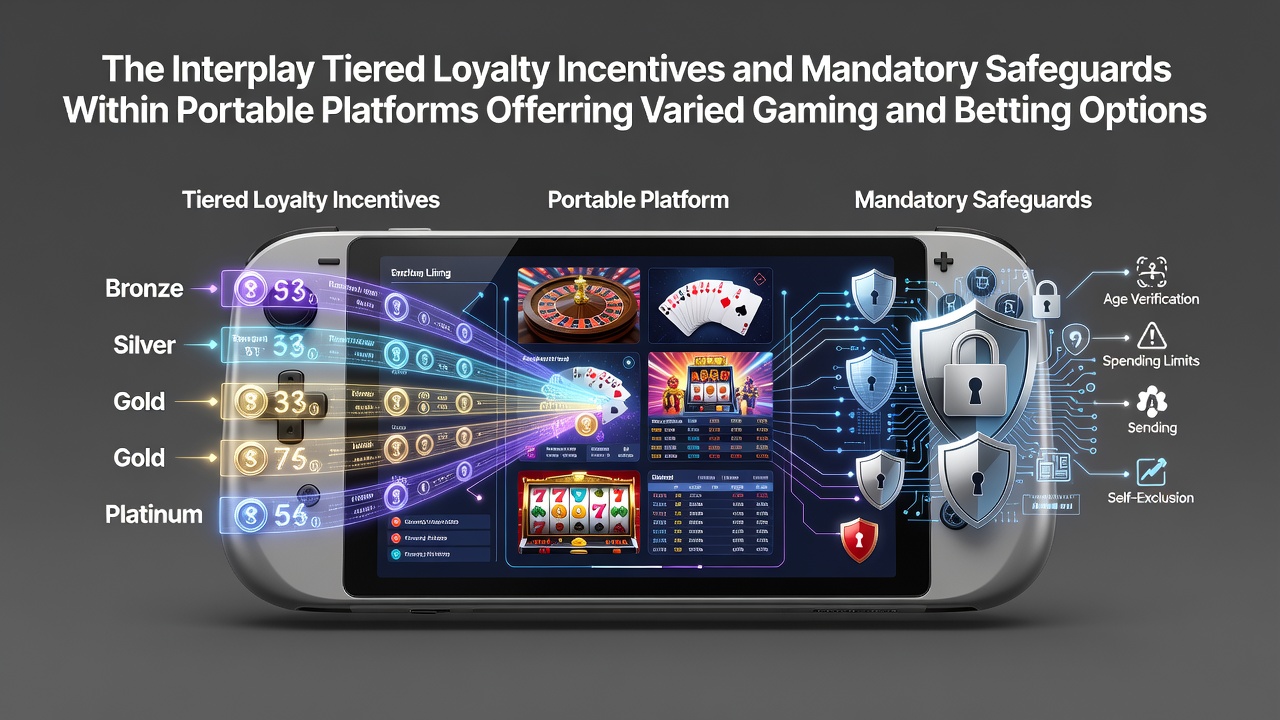
Portable platforms that combine slots, live dealer tables, and sports betting continue to integrate tiered loyalty incentives with mandatory safeguards, creating systems where player rewards operate alongside regulatory protections. These platforms track user activity across devices, awarding points that unlock higher status levels while enforcing tools such as deposit limits and self-exclusion periods required by licensing conditions. Tiered loyalty programs function through progressive stages, where initial entry grants basic bonuses and higher tiers deliver faster withdrawals, personalized promotions, and exclusive event access. Operators calculate advancement using metrics like total wagers and session frequency, then apply algorithms that adjust offers in real time. Data from industry reports shows these structures increase average session lengths by encouraging continued participation through escalating benefits. Mandatory safeguards run parallel to these rewards, requiring operators to embed features that detect patterns of excessive play and prompt interventions. Platforms must display session timers, allow instant access to spending caps, and route high-risk accounts to support resources without disrupting lower-tier users. Regulatory frameworks in multiple jurisdictions mandate these functions, ensuring they activate automatically once thresholds are crossed.Loyalty Progression and Platform Mechanics
Observers note that loyalty tiers often reset or adjust on a monthly cycle, which aligns with mobile app update schedules and lets operators refresh rewards without altering core game libraries. Users climbing from bronze to platinum status typically encounter new game categories unlocked at each level, while sports betting markets expand to include specialized odds and live event streams. The system records every spin or wager, converting activity into redeemable credits that appear in the same wallet used for deposits and withdrawals.
Because portable devices handle most traffic, developers optimize tier tracking for low-latency synchronization across phones and tablets, allowing seamless switches between Wi-Fi and cellular networks. Studies indicate that platforms maintaining consistent tier visibility see higher retention rates, as players monitor progress through dashboard notifications that update after each completed round.
Safeguard Implementation Across Gaming Types
Built-in protections cover slots, tables, and sports markets simultaneously, applying uniform rules even when game volatility differs. A player who sets a daily loss limit sees the cap enforced across all verticals, while time-based alerts interrupt extended sessions regardless of whether the activity involves blackjack or football accumulators. In July 2026, several operators rolled out enhanced biometric checks that link safeguard settings to verified accounts, reducing the chance of limit circumvention on shared devices.
These measures draw from guidelines issued by bodies such as the National Council on Problem Gambling, which publishes frameworks adopted in North American and European markets. Platforms integrate the recommendations by logging every safeguard interaction and generating compliance reports that regulators review during audits.
Interaction Between Rewards and Protections
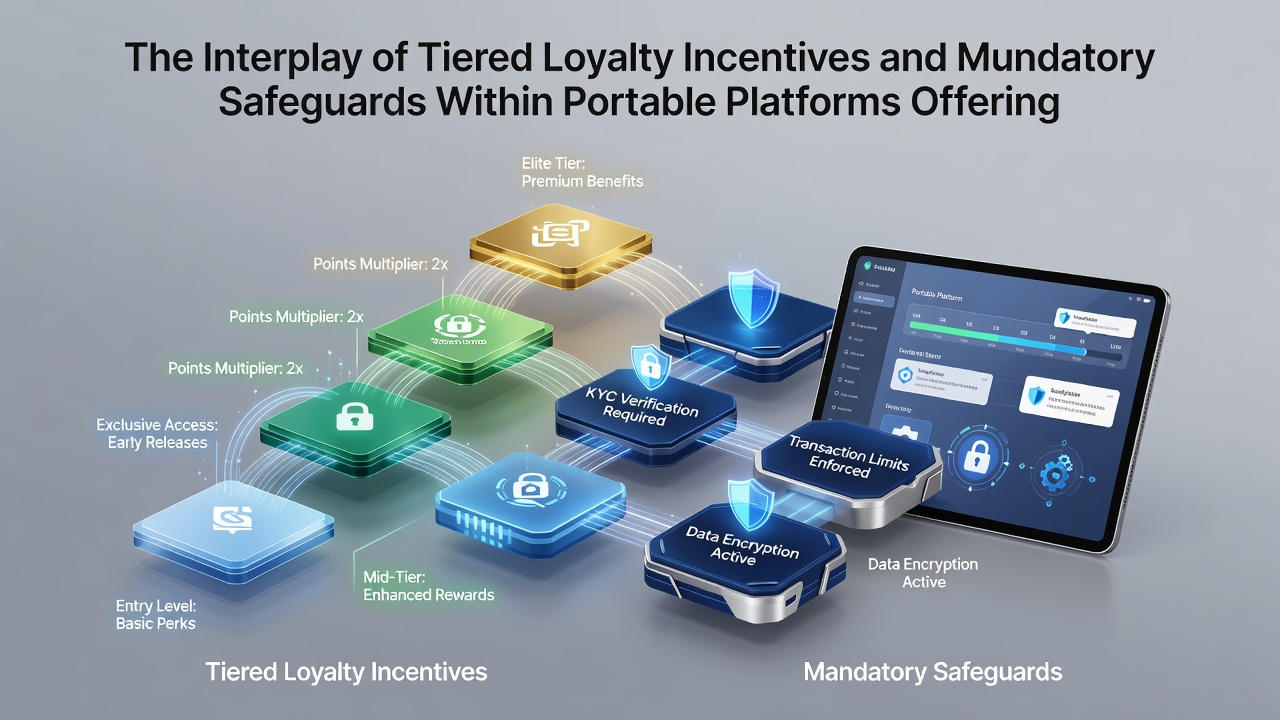
The interplay becomes visible when loyalty status influences how safeguards activate. Higher-tier players often receive customized limit suggestions based on historical spend, yet the underlying thresholds remain fixed by regulation rather than operator discretion. When a user approaches a mandated cap, the platform pauses reward accrual until the limit resets, creating a direct connection between incentive systems and protective pauses.
Research from academic sources, including reports by the Responsible Gambling Council in Canada, demonstrates that clear communication of these connections improves user understanding of both reward eligibility and protection triggers. Mobile interfaces display both elements on the same screen, so players see remaining loyalty progress beside current safeguard status without navigating separate menus.
Operators adjust marketing messages accordingly, presenting tier benefits while reminding users of available tools in the same notification stream. This approach maintains engagement without overriding the mandatory nature of the safeguards, which cannot be disabled even at the highest loyalty levels.
Conclusion
Portable platforms continue to refine the balance between tiered incentives and required safeguards through integrated software that tracks activity and enforces limits uniformly. Data collected across regions shows these dual systems operate within the same user journey, linking reward progression directly to protective mechanisms. As device capabilities advance and regulatory expectations evolve, the architecture supporting both elements remains central to compliant operation across varied gaming and betting formats.